
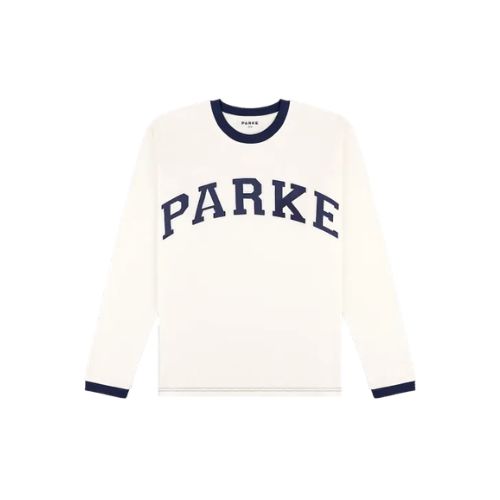
Why the Parke Neckline is the Secret to Its Flattering Fit
In the fast-moving world of modern fashion, where trends vanish as quickly as they appear on a social media feed, it is rare for a single design element to capture the collective imagination of style enthusiasts. Yet, every so often, a specific silhouette emerges that seems to defy the standard laws of off-the-rack clothing. It looks good on everyone. It elevates a simple outfit into something editorial. It feels intentional.
One of the most discussed phenomena in contemporary streetwear and elevated basics is the unique construction of the mockneck and varsity-style collar. This specific structural choice, often characterized by a sturdy, high-sitting, and architectural finish, has become the defining hallmark of a flattering fit. While many focus on fabric weight or color palettes, the true secret to a garment’s ”it factor” often lies much higher up. The neckline is the frame for the face and the Anchor for the entire drape of the piece.
The Architectural Foundation of a Neckline
To understand why a specific Parke neckline can change the way a body is perceived, one must look at the geometry of clothing. Most standard crewnecks are designed for mass manufacturing ease; they sit flat against the collarbone and often lose their shape after a few washes. This leads to a sagging effect that can make even an expensive sweatshirt look sloppy or lived-in.
The construction in question takes a different approach. By utilizing a ”mockneck” height—somewhere between a traditional crew and a full turtleneck—the garment provides a vertical line that elongates the torso. This height acts as a structural pillar. When a neckline maintains its integrity, it draws the eye upwards, highlighting the jawline and neck. It creates a crisp boundary between the person and the fabric, ensuring the clothes do not ”wear the wearer.”
Historical Context: From the Field to the Street
The prestige of this specific fit is not an accident of modern fast fashion; it is deeply rooted in the history of collegiate and athletic wear. In the mid-twentieth century, varsity athletes wore heavy-duty wool and cotton knits designed to withstand the rigors of outdoor practice while maintaining a sense of campus decorum.
These early garments featured thick, ribbed collars that were functional. They kept the heat in and the wind out. Over time, this ”varsity” aesthetic became synonymous with a specific kind of American cool—a blend of ruggedness and polished refinement. The modern iteration of this neckline borrows from that heritage, using heavy-weight cotton blends to recreate that vintage stiffness. It is this density that allows the collar to stand away from the skin rather than collapsing, providing that coveted 3D effect that looks just as good in profile as it does from the front.
The Psychology of the Flattering Fit
Why does a structured neckline feel more ”flattering” than a loose one? It comes down to the concept of intentionality. When a garment has a defined shape, it suggests a sense of composure. A high, snug-but-breathable neckline provides a sense of ”armor.” It frames the face in a way that feels protective and powerful.Visit parkeestore.com for more parke designs.
Furthermore, there is a visual trick played by the width of the ribbing. A wider, more substantial rib on the neck creates a visual balance with the shoulders. For those with narrower shoulders, it adds perceived breadth. For those with broader builds, it creates a clean, centered focal point that streamlines the chest. It is a universal balancer, which is why it has gained such a devoted following among various body types.
Tailoring and Fabric: The Invisible Workhorses
You cannot achieve a signature fit with flimsy materials. The secret to a neckline that stays ”up” involves a high-density GSM (grams per square meter) fabric. When you use a heavy-weight soft cotton or a fleece blend, the material has enough internal friction to support its own weight.
In the design process, the ”drop” of the neckline—the distance from the base of the throat to where the collar begins—is calculated to the millimeter. If it’s too high, it’s uncomfortable; too low, and it loses the ”varsity” edge. The ”sweet spot” found in high-end basics ensures that the collar sits just at the thyroid line. This specific placement is the key to the effortless, ”model-off-duty” look that so many strive for but few achieve with standard retail options.
Styling the Silhouette
Part of the allure of this specific fit is its versatility. Because the neckline is so structured, it allows the rest of the outfit to be incredibly simple.
-
The Minimalist Approach: Pairing a high-neck structured top with simple denim or tailored trousers creates a silhouette that looks expensive without trying. The neckline acts as the primary ”accessory,” making jewelry almost optional.
-
Layering Mastery: Under a trench coat or a leather jacket, a structured mockneck provides a clean layer that doesn’t bunch or fold awkwardly. It maintains its shape even when compressed by outer layers, ensuring the wearer always looks ”put together.”
-
Athleisure Evolution: Moving beyond the gym, this fit bridges the gap between loungewear and street fashion. It provides enough ”form” that a person can transition from a morning coffee run to a casual business meeting without feeling underdressed.
The Longevity of Quality Design
In an era of disposable clothing, the obsession with a specific fit like this represents a return to quality. People are realizing that the ”flattering” nature of a garment isn’t about the logo on the chest, but the engineering of the seams. A neckline that doesn’t stretch out, a cuff that holds its tension, and a torso that hangs with weight are the hallmarks of a piece that will remain in a wardrobe for a decade.
The secret to the flattering fit isn’t a secret at all—it’s an investment in the architecture of the garment. By prioritizing the frame of the face and the structural integrity of the collar, designers are able to create pieces that empower the wearer. It’s about confidence, comfort, and the timeless appeal of a well-made silhouette.
Frequently Asked Questions
What makes a mockneck more flattering than a standard crewneck? A mockneck provides a vertical line that elongates the neck and draws attention to the face. Its structured height prevents the garment from looking saggy, offering a more polished and intentional aesthetic compared to the casual, often loose fit of a traditional crewneck.
How should a structured varsity-style collar feel when worn? It should feel snug but not restrictive. The goal is for the collar to sit independently of the skin, maintaining its ”stand-up” shape through the weight of the fabric. It should provide a sense of structure around the base of the neck without causing discomfort during movement.
Does a thick neckline work for all body types? Yes. For those with smaller frames, the structure adds much-needed definition. For those with larger or more muscular builds, the substantial ribbing balances the proportions of the shoulders and chest, creating a streamlined and cohesive silhouette .