
Cushioning Philosophy and Comfort Experience:
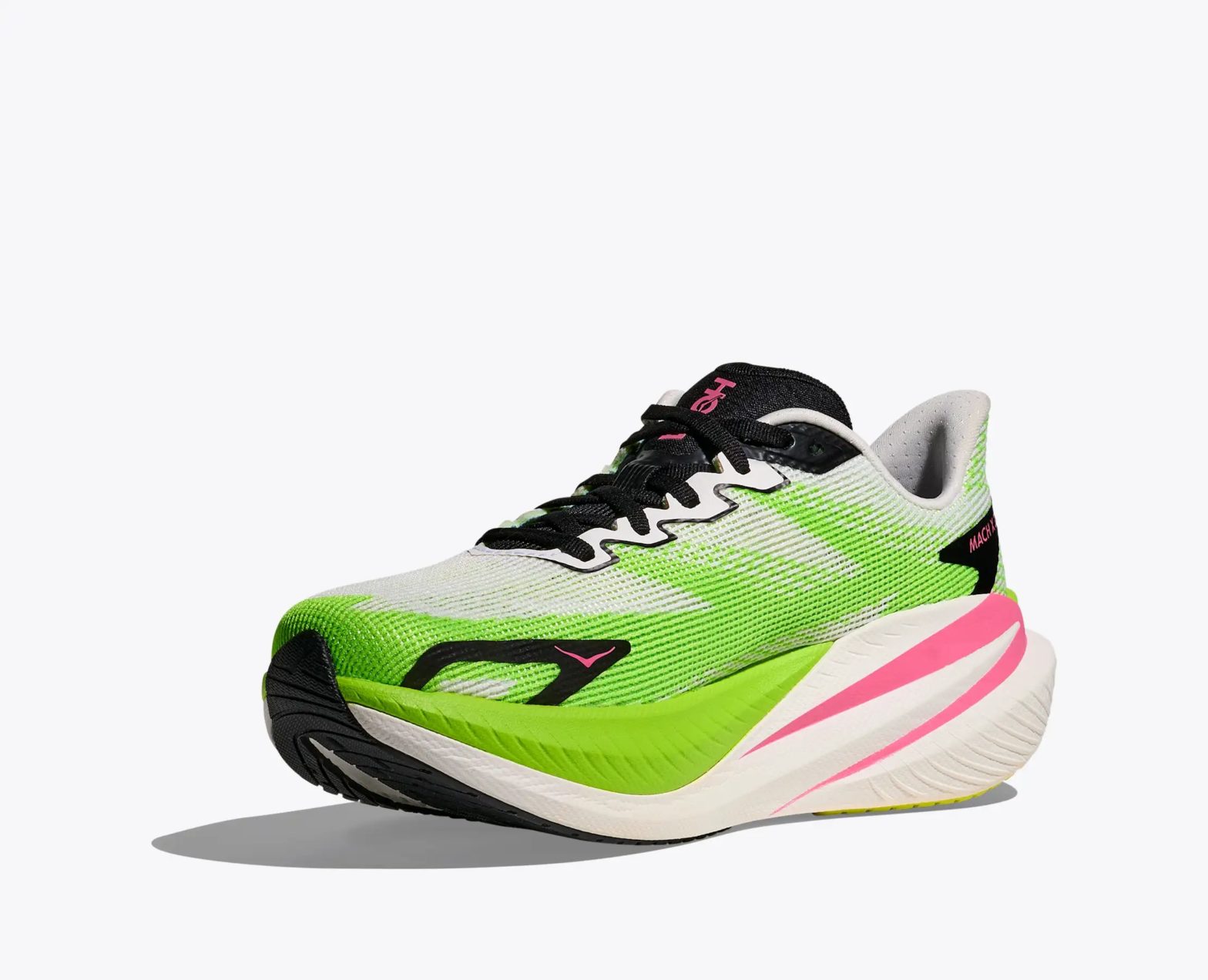
When comparing Hoka and Brooks, the biggest difference lies in their cushioning philosophy. Hoka trainers are known for their maximalist approach, offering thick midsoles that provide a soft, plush feel underfoot. This makes them ideal for runners who prioritize comfort and shock absorption, especially during long-distance runs. On the other hand, Brooks focuses on balanced cushioning, aiming to provide a natural running experience with moderate softness and responsiveness. While Brooks shoes are still comfortable, they do not feel as heavily cushioned as Hoka. Instead, they deliver a smoother and more controlled ride, which many runners find suitable for daily training. This fundamental difference means that Hoka is often preferred by those who want a “walking on clouds” sensation, whereas Brooks appeals to runners who enjoy a more traditional and grounded feel.
Performance Dynamics and Running Efficiency:
Performance is another crucial factor that separates these two brands. hoka uk are designed to reduce fatigue through their Meta-Rocker technology, which promotes a rolling motion from heel to toe. This helps runners maintain momentum with less effort, making them ideal for endurance running. However, due to their softer cushioning, they may not feel as responsive during fast-paced runs. In contrast, Brooks trainers are engineered to provide better energy return, allowing runners to push off the ground more efficiently. This responsiveness makes Brooks a strong choice for tempo runs, interval training, and runners who focus on speed. The lighter feel of many Brooks models also contributes to agility, enabling quicker movements without feeling weighed down. As a result, Hoka excels in long-distance comfort, while Brooks stands out in performance-driven scenarios.
Support Systems and Injury Prevention Benefits:
Both Hoka and Brooks prioritize injury prevention, but they approach it differently. Hoka trainers offer a wide base and high cushioning, which helps stabilize the foot and reduce impact stress on joints like the knees and ankles. This makes them particularly beneficial for runners who experience joint pain or are recovering from injuries. Brooks, on the other hand, emphasizes support through structured design and alignment features. Their shoes often include technologies that guide the foot’s natural motion, helping to prevent overpronation and maintain proper form. This approach is especially useful for runners who need stability without excessive cushioning. While both brands are effective in reducing injury risk, Hoka leans more toward protection through softness, whereas Brooks focuses on correcting movement and improving biomechanics.
Versatility Across Running Styles and Needs:
Another important aspect to consider is versatility. hokatrainersuk.com offers a range of models tailored for different purposes, including road running, trail running, and recovery. Their shoes are particularly popular among marathon runners and those who spend long hours on their feet. Brooks also provides a wide variety of options, catering to runners of all levels and preferences. From neutral shoes to stability-focused designs, Brooks ensures that there is something for everyone. However, Brooks tends to be more versatile for mixed-use scenarios, such as combining running with gym workouts or everyday wear. Hoka, while highly comfortable, is often more specialized toward running and recovery. This means that the choice between the two may depend on how the shoes will be used in daily life.
Final Decision and Runner Preference Factors:
Ultimately, deciding between Hoka and Brooks comes down to personal preference and running goals. If comfort, cushioning, and joint protection are the top priorities, Hoka trainers are likely the better choice. They are especially suitable for long-distance runners and those who need extra support for recovery. On the other hand, if a runner values responsiveness, versatility, and a more natural feel, Brooks trainers may be the ideal option. Both brands have established themselves as leaders in the running shoe industry, each offering unique advantages that cater to different types of runners. Understanding these differences can help individuals make an informed decision and choose the footwear that best supports their performance and comfort needs.